
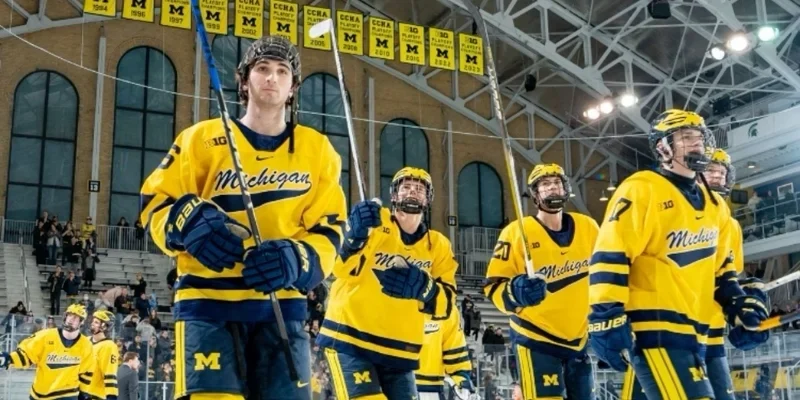
Minehead hockey teams help readers understand how teams are organised by level, age group, and competitive objectives at Minehead Hockey Club. The content explains the role of each position, how players are allocated, the relationship between squads and fixtures, and how to evaluate team balance without relying only on the result of a single match.
Minehead hockey teams and competitive squad structure
Minehead hockey teams describe the system of teams competing under Minehead Hockey Club, with divisions based on level, roles, and objectives throughout each season. The squad structure helps organise players according to fixture demands and technical requirements.
Grouping teams by level and competitive objectives
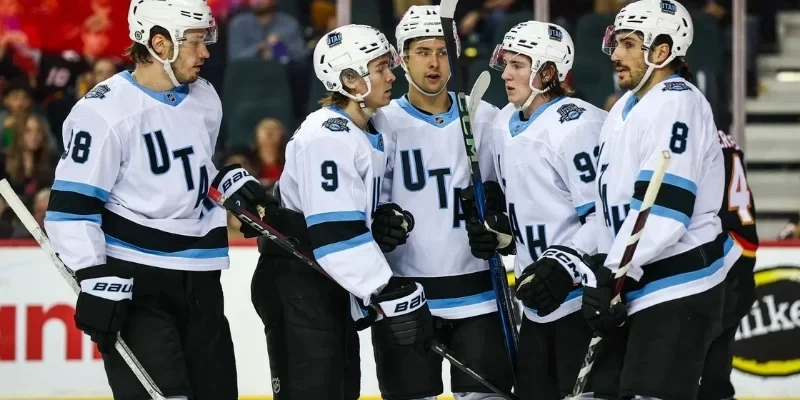
Minehead hockey teams are usually developed across different groups to meet the various levels of competition within the club. Each team may have its own role, such as the main competitive squad, player development teams, or groups designed for different levels.
This grouping allows the club to maintain a stable player base throughout the season. Players can be selected based on experience, playing ability, and the tactical requirements of each competition they participate in.
The role of each area shapes team structure
Within Minehead hockey teams, each position on the pitch has its own responsibility to create balance in the style of play. The defensive line focuses on stopping attacks, the midfield controls the tempo, while the forward line is responsible for creating scoring opportunities.
This structure operates through coordination between different areas rather than depending on a single individual. An effective team requires strong connections in movement, passing, and transitions between attacking and defensive phases.
How Minehead Hockey Club allocates players
Minehead Hockey Club organises its squads within Minehead hockey teams based on competitive needs and the characteristics of each team. Player allocation is usually related to preferred positions, adaptability, and tactical roles.
| Player group | Main role | Characteristics |
| Defenders | Protect the defensive area | Focus on stopping attacks |
| Midfielders | Connect different areas | Control the tempo of play |
| Forwards | Create scoring chances | Direct attacking approach |
| Goalkeepers | Prevent goals conceded | Fast reactions |
This organisation helps teams maintain balance between attacking ability and defensive stability in each match.
Evaluating squad quality and depth
Minehead hockey teams are assessed through various factors such as positional balance, player replacement options, and collective performance. These factors show how the club maintains effectiveness during different stages of the season.
How does positional balance affect performance?
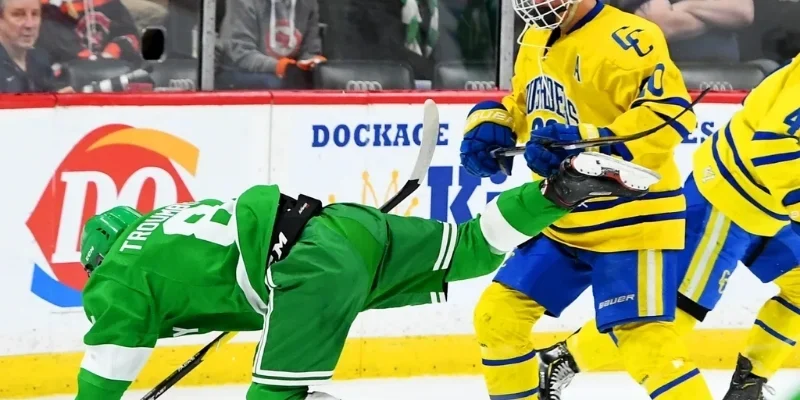
Positional balance in Minehead hockey teams determines how the team operates on the pitch. A squad needs enough capable players in key areas to maintain control of matches.
For example, if the midfield performs effectively, the team can move the ball faster and support both attacking and defensive situations. The coordination between defenders, midfielders, and forwards creates a stable structure rather than relying on one specific area.
How does squad depth support a busy fixture schedule?
Depth within Minehead hockey teams shows the ability to maintain squad strength when matches take place frequently. Teams with more player options can adjust line-ups while keeping their familiar style of play.
Player rotation helps reduce pressure on individual positions. Substitute players also gain opportunities to contribute, creating internal competition and expanding tactical options when facing different opponents.
How does team performance reflect overall strength?
Collective performance in Minehead hockey teams is shown through how players coordinate across multiple matches. Results do not depend only on individual ability but also on the understanding between different positions.
Common factors monitored include:
- Ability to coordinate when controlling possession.
- Defensive consistency.
- Effectiveness when transitioning from defence to attack.
- Ability to maintain tactical discipline throughout matches.
These elements help describe the overall strength of a team rather than focusing only on individual results.
How to follow and compare teams accurately
Following Minehead hockey teams requires considering multiple factors such as line-ups, player changes, and match developments. This approach helps readers better understand how teams evolve throughout competition.
Comparing line-ups before each round
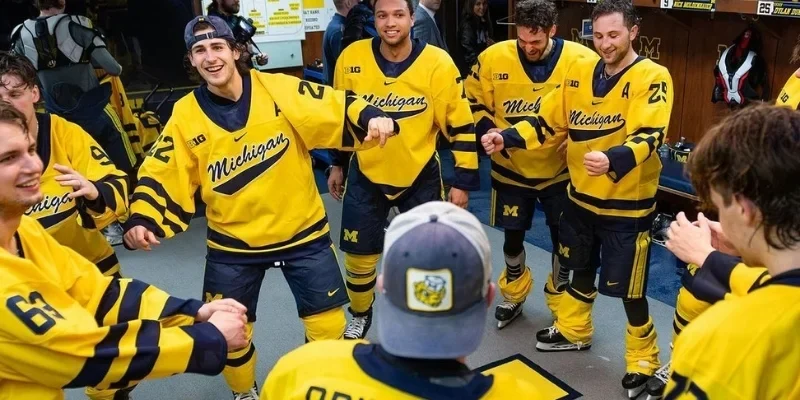
When exploring Minehead hockey teams, the squad selection before each round is important for identifying changes in personnel. Adjustments in playing positions can influence how the team applies its tactics.
Comparing line-ups helps highlight differences between matches. A team may change its approach when adding new players, adjusting positions, or using strategies suited to specific opponents.
Checking player changes between matches
Player changes within Minehead hockey teams reflect how the club adjusts its squad structure. Changes may come from rotation, altered roles, or the introduction of different tactical options.
These changes directly affect on-field connections. When players have more time to develop understanding with each other, teams often maintain greater stability in their organisation and decision-making.
Avoiding team evaluations based on one result
A single match cannot fully represent the quality of Minehead hockey teams. The final result only reflects a specific moment influenced by factors such as the opponent, starting line-up, and events during the match.
To understand a team more accurately, multiple matches and related factors should be considered. A sequence of performances, player changes, and adaptability provide a broader picture of the team’s development.
Conclusion
Minehead hockey teams should be viewed through team structure, player roles, squad balance, and suitability for the fixture schedule. By understanding how groups are organised and evaluated based on their functions rather than only results, readers can gain a more complete view of Minehead Hockey Club. Use these criteria when following each team.